What to Consider When Choosing a SWFL Hospital for Birth

One of the first questions many families ask when preparing for birth is: "Where is the best place to birth my baby?"
While it's an important question, it doesn't have a simple answer.
Recently, I shared a comparison of cesarean birth rates at Southwest Florida hospitals on social media (you can view those statistics below). While that information can be incredibly helpful, it's only one piece of a much larger picture.
Choosing where to give birth isn't about finding the "best" place. It's about finding the location that best aligns with your pregnancy, your medical needs, your birth preferences, and your values.
Let's take a closer look at what to consider if you are planning a hospital birth.
Cesarean Rates Matter... But They're Only One Data Point
Hospital cesarean rates can provide insight into how frequently surgical births occur within a facility.
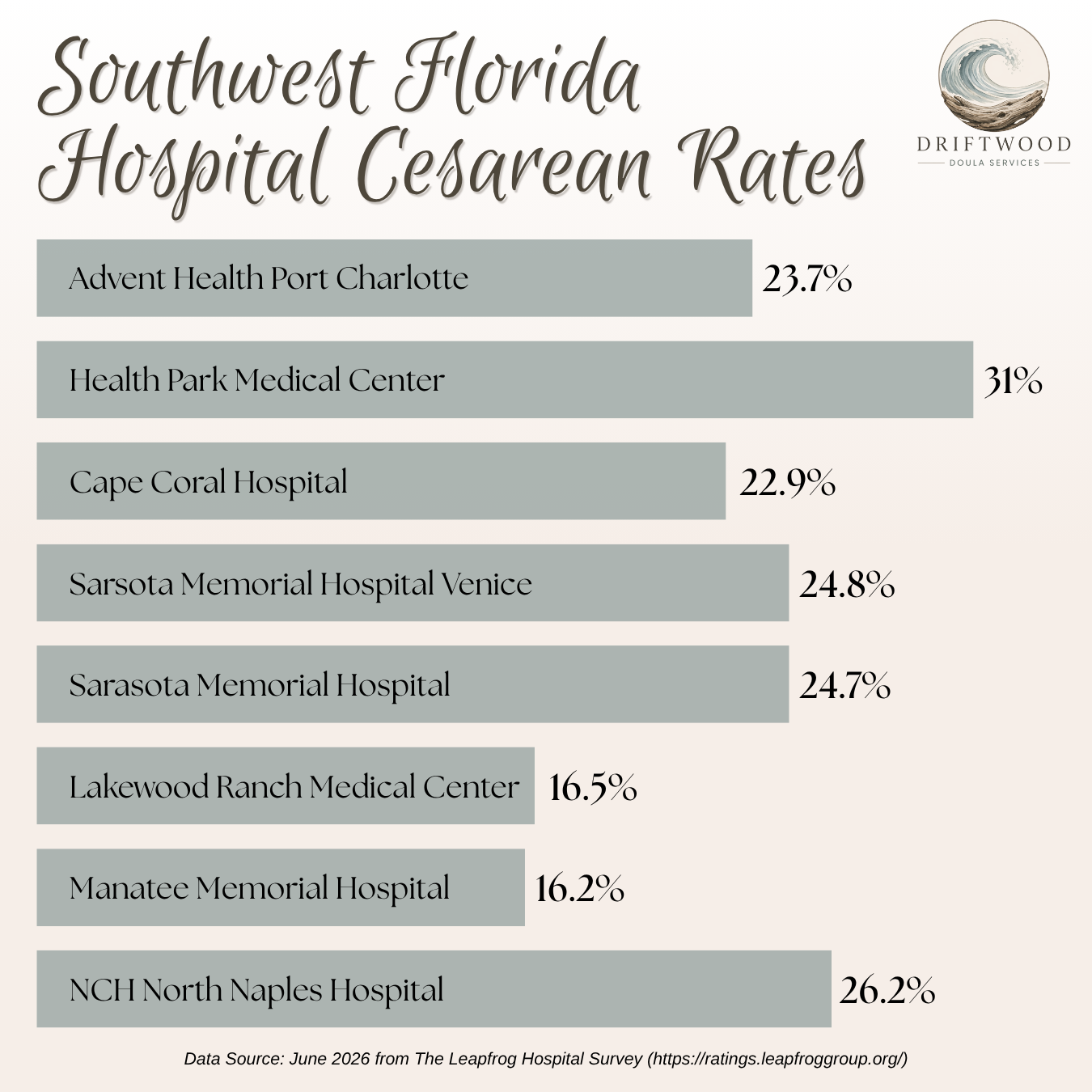
A lower cesarean rate may suggest that a hospital supports physiologic labor and avoids unnecessary interventions when appropriate. However, cesarean rates are influenced by many factors, including:
The complexity of patients cared for at that hospital
Whether the hospital receives more high-risk pregnancies
Provider practice patterns
Hospital policies and culture
If the birthing person had the right support team and preparation
A hospital with a higher cesarean rate isn't automatically "bad," just as a hospital with a lower rate isn't automatically the best choice for every family.
Instead, use this information as the beginning of your research, not the end.
Questions to Ask Yourself First
Before comparing hospitals, think about what matters most to you.
Ask yourself:
Do I hope for an unmedicated birth?
Am I planning to receive an epidural?
Is access to a NICU important for my family?
Would I like the option of a water birth?
Am I hoping for a VBAC?
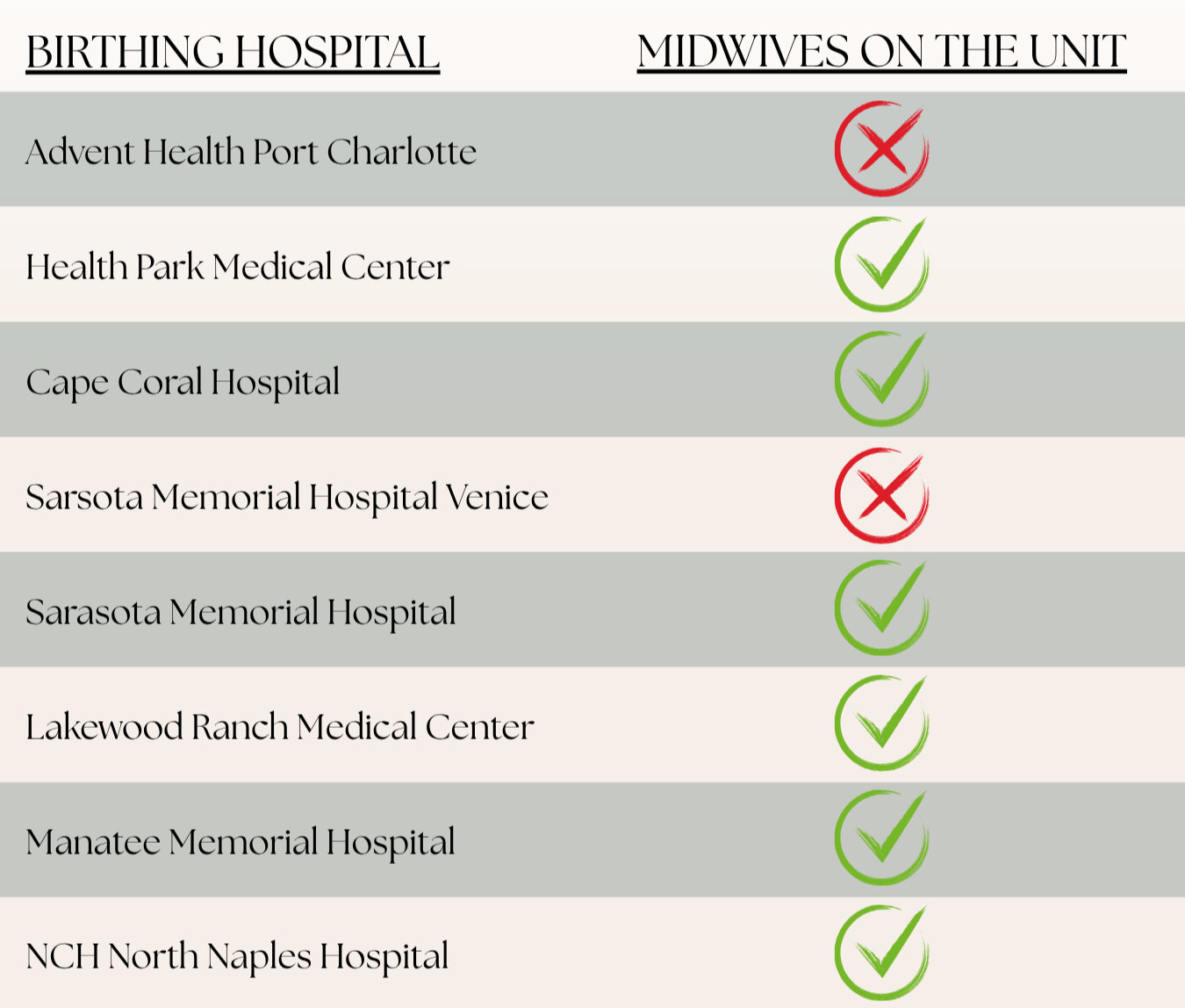
Do I value having midwives available?
How important is immediate breastfeeding support to me?
There isn't a right or wrong answer.
The goal is finding a birth environment that supports the experience you're hoping to have while also providing appropriate care if your plans change.
Features That Can Make a Difference
Every hospital offers something a little different. Depending on your priorities, you may want to compare:
Hydrotherapy
As a doula, one of my favorite comfort measures when labor feels intense is hydrotherapy.
Using warm water in a shower or tub during labor to promotes relaxation and comfort and can reduce pain, stress, and even shorten the active stage of labor.
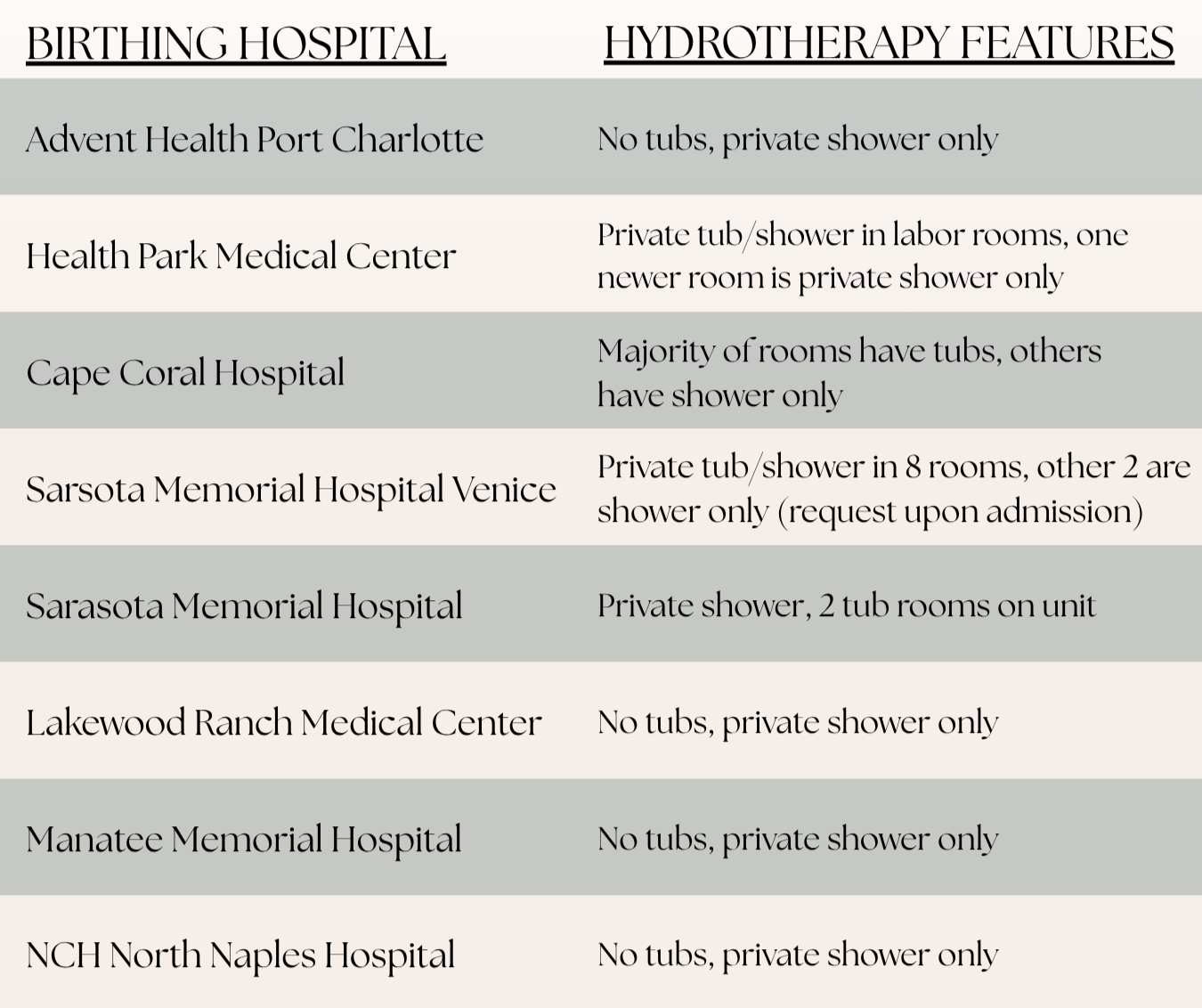
Some hospitals offer labor tubs in every room, while others have only a handful available, or none at all.
If hydrotherapy is important to you, consider the types of tubs or showers available in each hospital.
Wireless Fetal Monitoring
Many times, the providers will be interested in listening to the baby’s heartrate while you are in labor. Sometimes this is intermittent monitoring, other times it may be continuous monitoring.
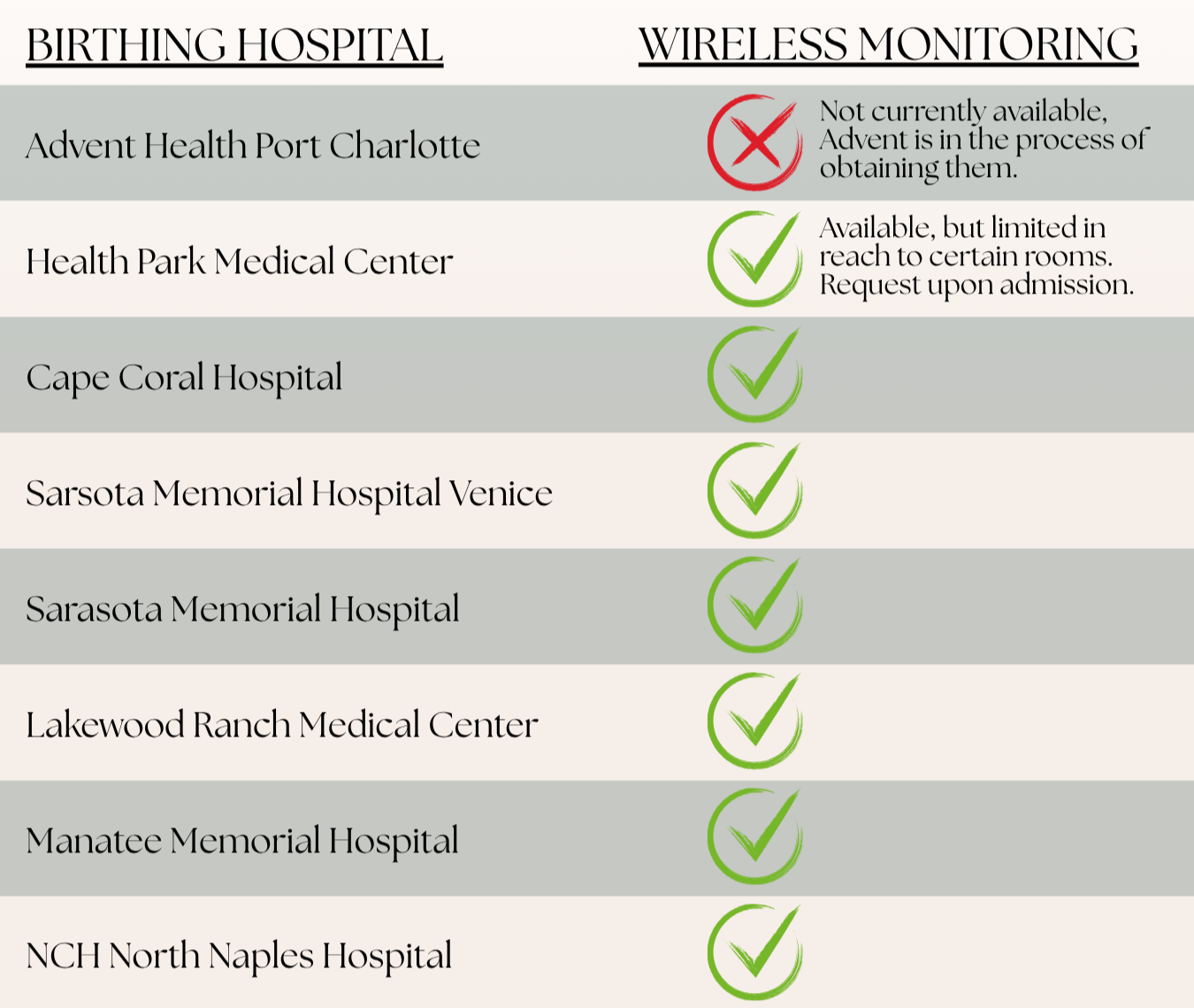
Wireless monitoring may allow greater freedom to walk around the room and unit, change positions, or use a birth ball while remaining on monitoring.
Not every hospital offers this technology, but it is becoming increasingly important for birthing hospitals to incorporate wireless monitoring in their labor units.
Don’t Forget About the Providers
One thing many families overlook is that your provider may influence your birth experience even more than the hospital itself.
Some hospitals have certified nurse-midwives practicing alongside OB physicians, while others are physician-only practices.
It’s important to remember that two providers practicing in the same location may have different approaches to:
Induction
Labor management
Interventions
VBAC support
Breech delivery
The combination of your provider and your hospital is what truly shapes your experience.
Lactation Support
If feeding support after birth is important to you, ask:
Are lactation consultants available in-house every day?
Do they see every family automatically, or only by request?
Is outpatient follow-up available after discharge?
Neonatal Care & NICU Capabilities
If your baby has high risk factors, or if simply having higher-level newborn care nearby provides peace of mind, you may wish to consider neonatal care and NICU capabilities of your birth location.
If you have specific questions about the level of neonatal care you should be looking for, I encourage you to have a discussion with your provider around your specific pregnancy and baby.
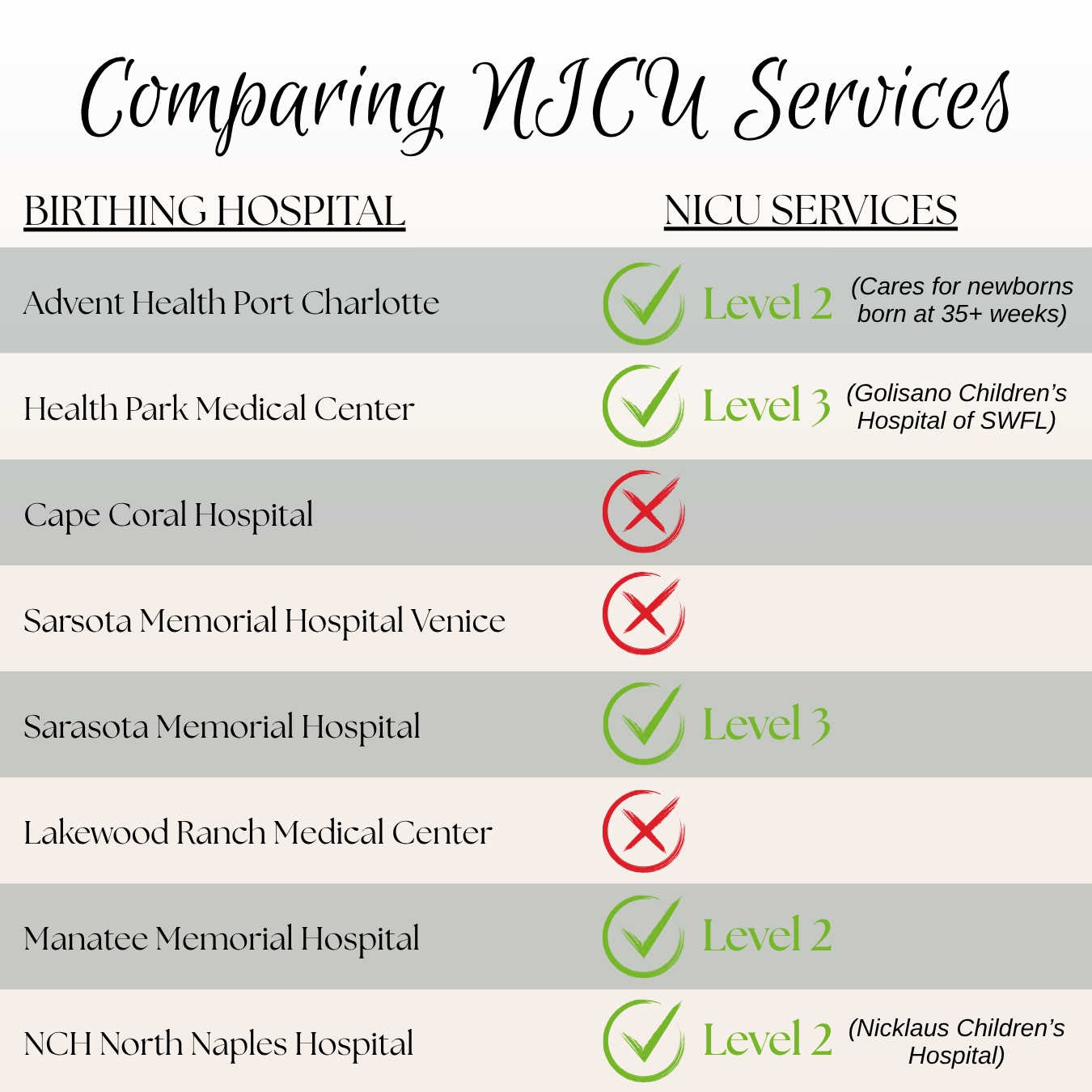
NICU Levels Explained
NONE: A well-baby nursery provides routine care for healthy, full-term newborns. Babies needing intensive care are stabilized and transferred to a higher-level NICU.
SPECIAL CARE NURSERY: Sometimes referred to as Level 2, a Special Care Nursery typically care for babies born at 32+ weeks or those needing extra monitoring or short-term treatment.
LEVEL 3 NICU: Provides advanced NICU care for very premature babies born before 32 weeks or those who are critically ill.
LEVEL 4 NICU: Offers the highest level of neonatal care, including specialized pediatric surgery and support. The nearest Level 4 NICU services are in Tampa (St. Joseph's Women's Hospital) & Orlando (AdventHealth for Children / Arnold Palmer Hospital).
Birth Is About More Than Statistics
Numbers are helpful. Evidence matters. But birth is also deeply personal to your vision and goals for your journey.
The "right" hospital for someone else may not be the right hospital for you.
Instead of looking for the hospital with the fanciest rooms, look for the place where you feel:
Heard
Respected
Supported
Informed
Safe
Those qualities often have a huge impact on your birth experience!
Need Help Comparing Your Options?
As your doula, one of my roles is helping my clients navigate these decisions with evidence-based information, not by telling them where they should give birth.
I take time listening to their goals, discuss what is important to them, and help them prepare and build their advocacy skills to carry with them throughout their pregnancy, birth, and postpartum.
Every family deserves to walk into birth understanding their options and feeling empowered to make the decisions that feel right for them.
Looking for a complete list of questions to ask during your hospital or birth center tour?
Check out my companion blog post: "Questions to Ask During Your Hospital or Birth Center Tour."