

There’s More to Labor Progression Than Dilation
Cervical dilation gets a lot of attention during labor, and for good reason! But dilation is only one piece of the puzzle when it comes to understanding how labor is progressing.
Your cervix is also changing in other ways, and at the same time, your baby is making their own journey down and through the pelvis.
Understanding dilation, effacement, station, and your baby’s position can give you a much clearer picture of what your body and baby are actually doing during labor.
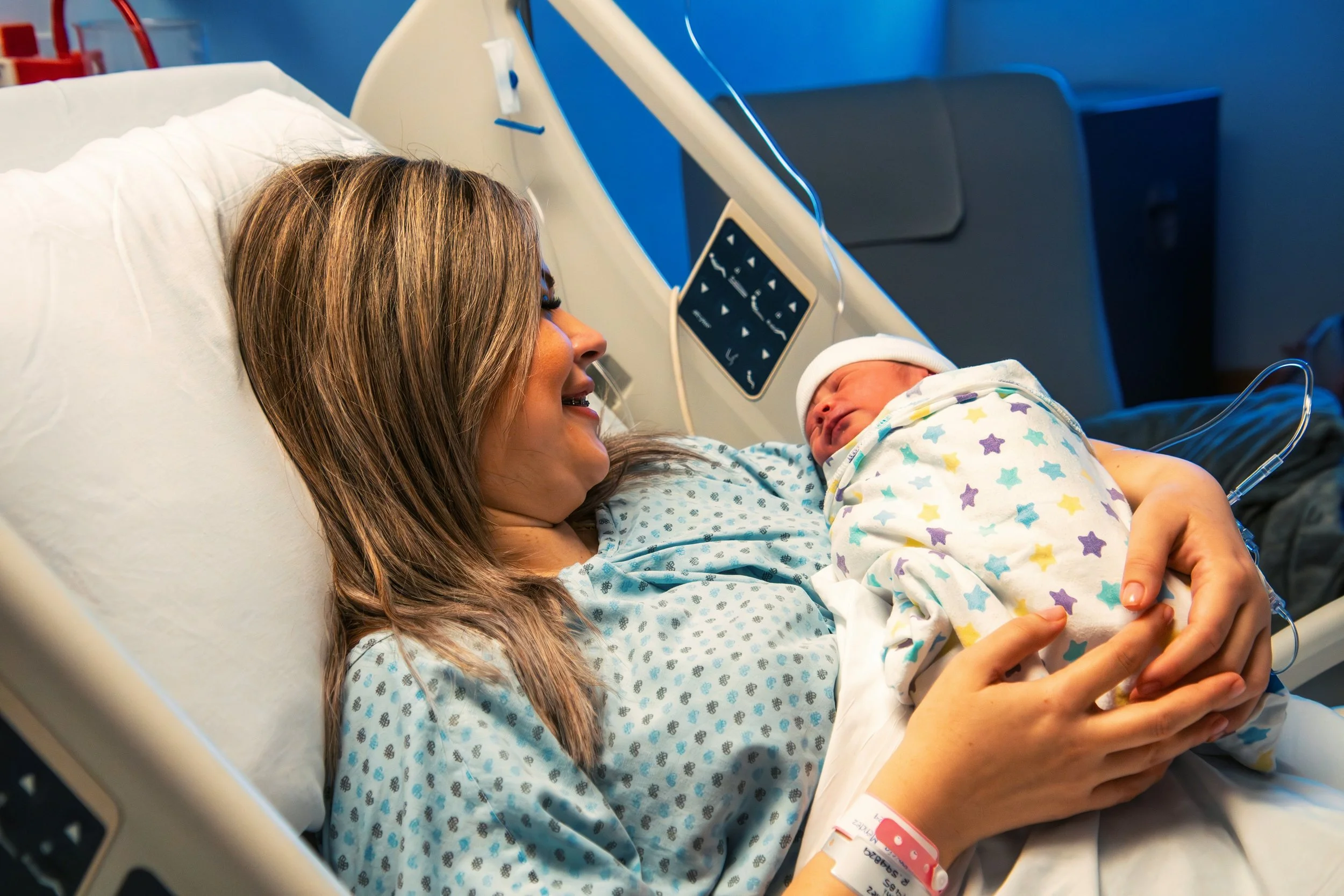
What to Consider When Choosing a SWFL Hospital for Birth
One of the first questions many families ask when preparing for birth is: "Where is the best place to birth my baby?"
It's an important question, but it doesn't have a simple answer.
Recently, I shared a comparison of cesarean birth rates at Southwest Florida hospitals on social media. While that information can be incredibly helpful, it's only one piece of a much larger picture.
Choosing where to give birth isn't about finding the "best" place. It's about finding the location that best aligns with your pregnancy, your medical needs, your birth preferences, and your values.

Optimal Cord Management vs. Delayed Cord Clamping
When many families create their birth preferences, one of the most common conversations we have is delayed cord clamping.
But what many people don't realize is that delayed cord clamping is only one piece of a much bigger conversation.
More frequently, birth professionals are talking about “optimal cord management”. This is an approach that focuses less on the clock and more on supporting a baby's natural transition from life inside the womb to life outside of it.
So what does that actually mean and how does it play into your informed decision making?

Does a Doula Replace Your Partner? (No, and Here's Why)
One of the biggest misconceptions about hiring a birth doula is that we're there to replace the partner.
Nothing could be further from the truth.
In reality, one of the most important parts of my role is supporting both the birthing person and their partner. Birth is a team effort, and when everyone feels prepared and supported, the experience is often more connected, empowering, and positive for everyone involved.

Questions to Ask During Your Hospital or Birth Center Tour
Choosing where you will give birth is one of the most important decisions you'll make during pregnancy. Whether you're planning a hospital birth, considering a birth center, or planning to give birth at home, taking a tour of birth locations outside of your home can provide valuable insight into the environment, staff, policies, and support available during your labor and birth experience.

When Should You Hire a Doula During Pregnancy?
One of the most common questions expecting parents ask is, "When should I hire a doula?"
The short answer? Earlier than most people think.
Many families begin looking for a doula in the third trimester, but the truth is that doula support can be beneficial throughout pregnancy—not just during labor. Hiring a doula earlier gives you more time to build a relationship, prepare for birth, and take advantage of the education and support a doula can provide along the way.
If you're considering doula support, here's what to know about timing and how to determine what feels right for your family.

What Does a Birth Doula Do? (And Is It Worth Hiring One?)
If you've recently started researching birth options, you've probably come across the term "birth doula." Maybe a friend recommended one, you've seen doulas mentioned in pregnancy groups, or your provider suggested exploring additional support during labor.
But what exactly does a birth doula do?
And perhaps more importantly, is hiring a doula worth it?